
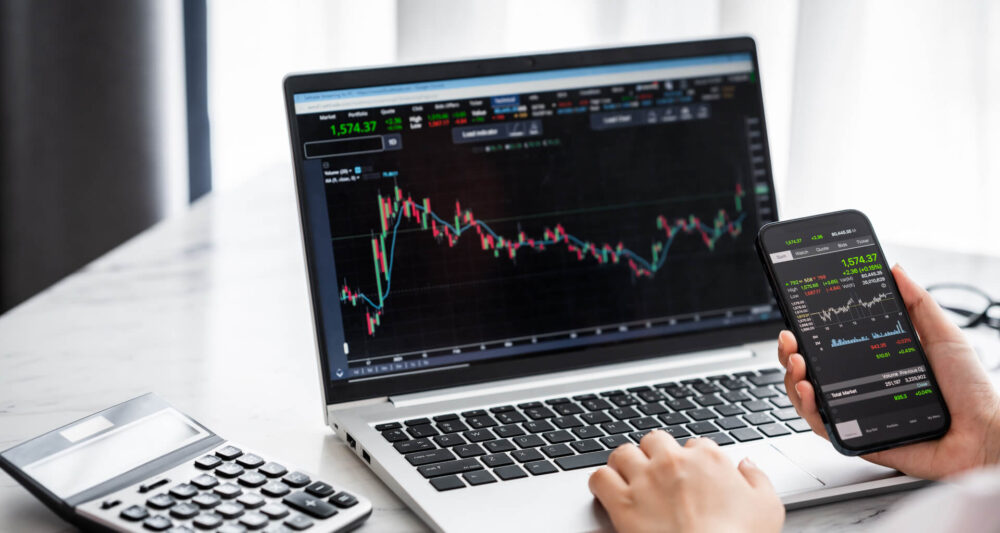

Forex trading, short for foreign exchange trading, is the global market where currencies are bought and sold. With a daily trading volume exceeding $6 trillion, the Forex market is the largest financial market in the world. Unlike stock markets, Forex operates 24 hours a day, five days a week, allowing traders to engage at virtually any time. The market’s size and accessibility make it appealing to both individual traders and institutional investors.
The primary goal in Forex trading is to profit from fluctuations in currency exchange rates. By trading currency pairs, such as EUR/USD or GBP/JPY, traders speculate on whether a currency will appreciate or depreciate relative to another. This requires a strong understanding of market fundamentals, technical analysis, and disciplined risk management.
How Forex Trading Works
In Forex trading, currencies are traded in pairs. The first currency in a pair is the base currency, and the second is the quote currency. Traders aim to profit by predicting whether the base currency will strengthen or weaken against the quote currency.
Types of Currency Pairs
1. Major Pairs
Major pairs include the most liquid currencies, such as USD, EUR, JPY, GBP, AUD, CAD, and CHF. Examples include EUR/USD, USD/JPY, and GBP/USD. They generally have tight spreads and are less volatile compared to other pairs.
2. Minor Pairs
Minor pairs, also called cross-currency pairs, involve two major currencies but exclude the US Dollar, such as EUR/GBP or GBP/JPY. These pairs may have slightly higher volatility and trading costs.
3. Exotic Pairs
Exotic pairs consist of a major currency and a currency from an emerging market, like USD/TRY or EUR/SGD. These pairs are more volatile, less liquid, and can present higher trading risks, but also higher profit opportunities.
Key Forex Trading Concepts
Understanding key concepts is essential for successful Forex trading.
Leverage and Margin
Leverage allows traders to control larger positions with smaller capital. While it can magnify profits, it also increases potential losses. Margin is the amount of money required to open a leveraged position, and maintaining adequate margin is crucial to prevent liquidation.
Pips and Spreads
A pip, short for “percentage in point,” is the smallest price movement in a currency pair. Spreads refer to the difference between the bid (buy) and ask (sell) prices. Monitoring pips and spreads helps traders measure profit and loss.
Currency Correlation
Currency correlation measures how two currency pairs move relative to each other. Positive correlation means they move in the same direction, while negative correlation indicates opposite movements. Understanding correlations helps traders manage risk and diversify portfolios.
Orders and Execution Types
Forex traders use different order types, including market orders, limit orders, and stop-loss orders. These execution types allow traders to implement strategies and manage risk effectively.
Popular Forex Trading Strategies
Traders can choose strategies based on their goals, timeframes, and risk tolerance.
Scalping
Scalping involves making multiple trades over very short timeframes to capture small market movements. Scalping requires fast decision-making and low transaction costs.
Day Trading
Day traders open and close positions within a single trading day to avoid overnight risk. They rely heavily on technical analysis, price patterns, and intraday market trends.
Swing Trading
Swing trading involves holding positions for days or weeks to capitalize on medium-term price movements. It combines technical analysis with an understanding of fundamental factors, like economic news or central bank policies.
Position Trading
Position traders hold trades for months or even years, focusing on long-term trends and currency fundamentals. This approach is less sensitive to short-term volatility.
Trend Following
Trend-following traders aim to trade in the direction of established market trends, using technical indicators like moving averages and trend lines to identify profitable entry and exit points.
Tools and Indicators in Forex Trading
Successful Forex trading relies on using the right tools and indicators.
Technical Analysis
Technical analysis examines historical price data and chart patterns to predict future price movements. Popular indicators include Moving Averages, Bollinger Bands, and the Relative Strength Index (RSI).
Fundamental Analysis
Fundamental analysis studies economic indicators, political developments, and central bank policies to assess currency value. Traders track metrics like GDP growth, inflation rates, employment data, and interest rate decisions.
Trading Platforms
Reliable trading platforms such as MetaTrader 4, MetaTrader 5, and cTrader provide charting tools, automated trading features, and real-time market data.
Economic Calendars
Economic calendars highlight upcoming events that may impact currencies, such as central bank meetings, employment reports, and trade balance announcements.
Risk Management Tools
Stop-loss and take-profit orders, along with position sizing calculators, help traders manage risk and protect capital.
Risks in Forex Trading
While Forex trading can be profitable, it carries significant risks.
Market Volatility
Currency prices can change rapidly due to news, economic events, or geopolitical factors. High volatility can lead to substantial gains, but also significant losses.
Leverage Risk
High leverage magnifies both profits and losses. Traders must use leverage responsibly and maintain strict risk management rules.
Liquidity Risk
Certain currency pairs, particularly exotic ones, have lower liquidity, making it harder to execute trades at favorable prices.
Emotional Trading
Allowing emotions like fear or greed to guide decisions often results in poor trading outcomes. Discipline and adherence to a trading plan are critical.
Regulatory and Broker Risks
Trading with unregulated brokers can expose traders to fraud or unfair practices. Choosing regulated, reputable brokers mitigates this risk.
Tips for Successful Forex Trading
- Develop a Trading Plan: Include risk tolerance, trading strategies, and exit rules.
- Start Small: Begin with a demo account or limited capital to gain experience.
- Learn Continuously: Keep up with market trends, news, and trading tools.
- Use Risk Management: Implement stop-loss orders and diversify trades.
- Maintain Discipline: Avoid impulsive decisions based on short-term market moves.
- Analyze Trades: Track performance to refine strategies and learn from mistakes.
The Role of Forex Trading in Global Finance
Forex trading is crucial to the global economy:
- Supports International Trade: Enables businesses to convert currencies for transactions worldwide.
- Facilitates Investment Flows: Allows investors to allocate capital efficiently across borders.
- Assists Central Banks: Governments use Forex markets to stabilize currency values and implement monetary policies.
- Generates Employment: Forex brokers, analysts, and technology providers contribute to financial sector employment.
FAQ Section
1. What is Forex trading, and how does it work?
Forex trading is the buying and selling of currencies to profit from price fluctuations. Traders work with currency pairs, applying strategies and analysis to make informed trades.
2. What are the most commonly traded Forex currency pairs?
Major pairs like EUR/USD, USD/JPY, and GBP/USD are the most traded, followed by minor pairs like EUR/GBP and exotic pairs such as USD/TRY.
3. How does leverage work in Forex trading?
Leverage allows traders to control larger positions with less capital, amplifying both potential profits and losses. Responsible use is essential.
4. What is the difference between technical and fundamental analysis in Forex?
Technical analysis focuses on price charts, patterns, and indicators, while fundamental analysis evaluates economic indicators, central bank policies, and geopolitical events.
5. How can beginners manage risk in Forex trading?
Beginners should use stop-loss orders, trade with low leverage, start small, and follow a strict trading plan to limit potential losses.
6. Which Forex trading strategies are suitable for beginners?
Day trading and swing trading are popular beginner strategies, as they allow learning market behavior without extreme leverage or complexity.
7. How does Forex trading impact global markets?
Forex trading facilitates international trade, influences investment flows, aids central banks in monetary policy, and supports employment in financial markets.
Comments are closed.